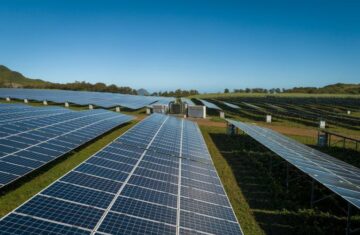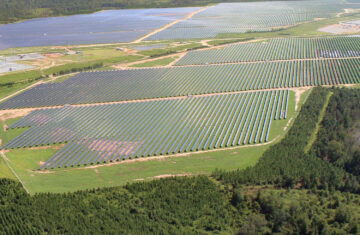
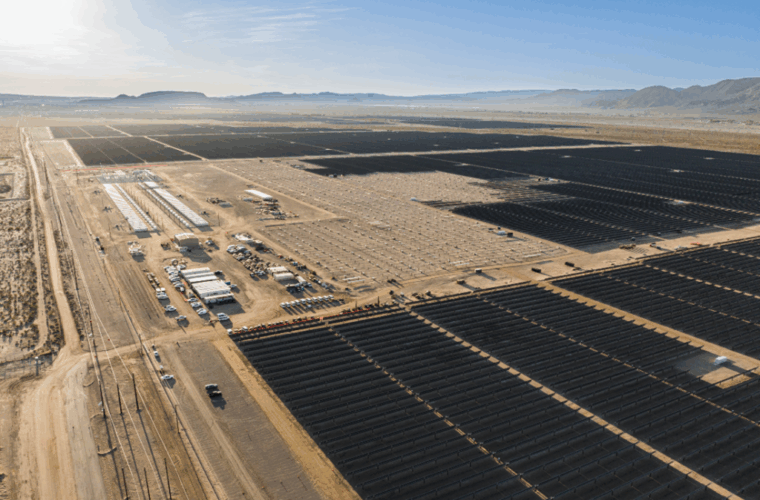
Perched within the urban landscape of Los Angeles, the Alpine Solar project represents a critical model for the future of city-scale renewable energy. This project is not situated in a remote desert but integrated into the urban fabric, demonstrating how major metropolitan areas can leverage underutilized land to generate clean power close to where it is consumed. Its development is a direct response to the city’s ambitious goal, as outlined in the L.A. Green New Deal, to achieve 100% renewable energy by 2045 and enhance local grid resilience.
Significance & Context
The Alpine Solar project is a cornerstone of Los Angeles’s strategy to localize its energy supply and reduce its heavy reliance on imported power and fossil fuels. Developed on a repurposed brownfield site, the project exemplifies the type of infill development that minimizes environmental impact while maximizing existing infrastructure. With a capacity of 65 megawatts (MW), the facility generates enough electricity to power approximately 25,000 homes annually, directly contributing to the reduction of the city’s carbon emissions and improving air quality for its residents.
Development Timeline
The project’s development was propelled by the Los Angeles Department of Water and Power’s (LADWP) urgent need for new, local clean energy resources. The timeline began with site identification and feasibility studies around 2018. Following a competitive bidding process, construction commenced in 2021. The project navigated the complex permitting environment of the City of Los Angeles and achieved commercial operation in 2023, aligning with LADWP’s schedule to replace power lost from the retirement of aging natural gas facilities.
Technology & Innovation
Alpine Solar utilizes high-efficiency bifacial photovoltaic (PV) modules that capture sunlight on both sides, increasing their energy yield. The project is also notable for its integration of a battery energy storage system (BESS), with a capacity of 20 MW/80 MWh. This storage component, crucial for an urban setting, allows the solar farm to store excess energy generated during the day and dispatch it during the evening peak demand hours, thereby supporting grid stability and maximizing the utility of the generated renewable power.
Challenges & Controversies
A significant challenge for the Alpine Solar project was navigating the dense urban permitting process and addressing community concerns about visual impact and construction traffic. As a project within city limits, it required meticulous coordination with multiple city agencies and community stakeholders. The developer resolved these issues through a transparent community engagement process, including public hearings and the implementation of strict construction management plans to minimize disruption. Furthermore, the higher cost of urban development was mitigated by the long-term value of providing local, reliable power and avoiding the need for new transmission lines from remote projects.
Community & Economic Impact
The Alpine Solar project provides direct economic benefits to the city. During its 18-month construction phase, it typically employed over 200 local workers, and its ongoing operations require a team of full-time technicians for maintenance. As a significant infrastructure asset, it likely contributes substantial property tax revenue to the city. While the urban location means it does not involve agricultural landowner payments, it serves as a case study for the productive reuse of vacant or underutilized urban land, turning a non-revenue-generating parcel into a community asset.
Future Outlook
The long-term outlook for Alpine Solar is stable and integral to L.A.’s energy future. Its success demonstrates the viability of urban solar-plus-storage projects and is likely to serve as a blueprint for similar developments across the city. As battery technology continues to improve and costs decline, the facility is well-positioned for potential future expansion of its storage capacity to store even more renewable energy. It stands as a testament to the fact that the path to a clean energy future can be built within the city limits.