The Energy Transition in Spain: Towards a Sustainable Future
Spain’s Renewable Energy Landscape
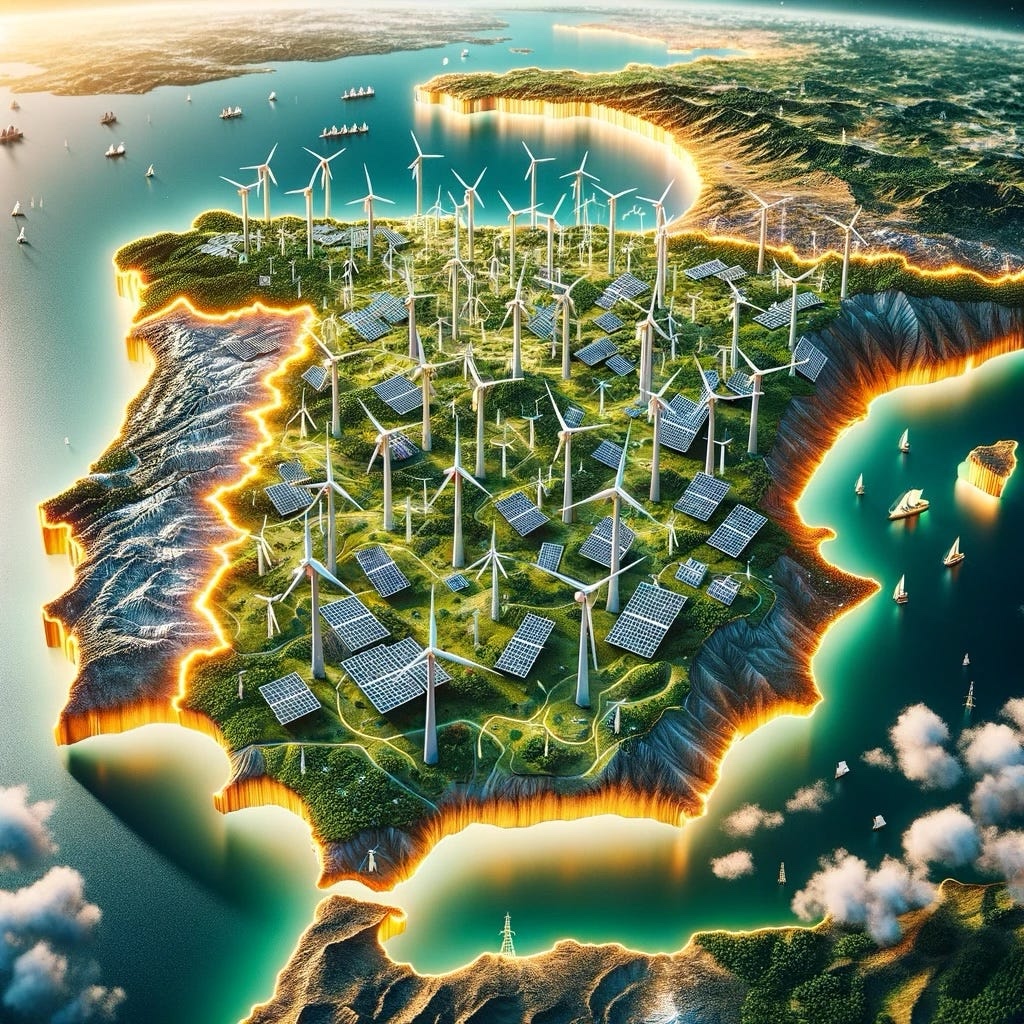
Spain has long been at the forefront of the global renewable energy revolution, with a diverse and rapidly growing portfolio of clean energy sources. According to the latest data from the Spanish Ministry of Ecological Transition and Demographic Challenge, renewable energy sources accounted for 43.6% of the country’s total electricity generation in 2022, up from 37.5% in 2018.
Solar Power: Harnessing the Sunshine

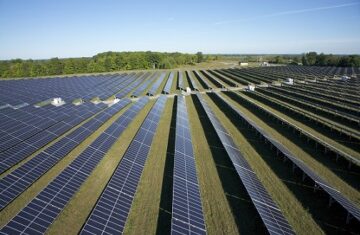
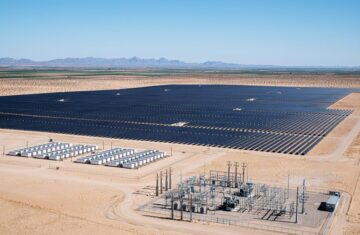
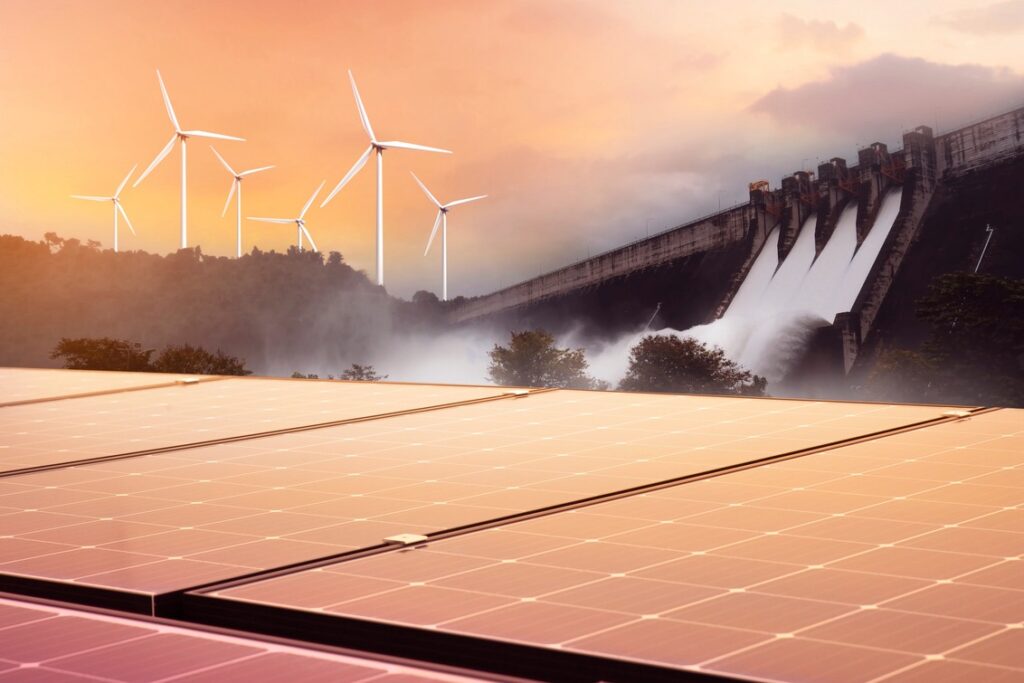
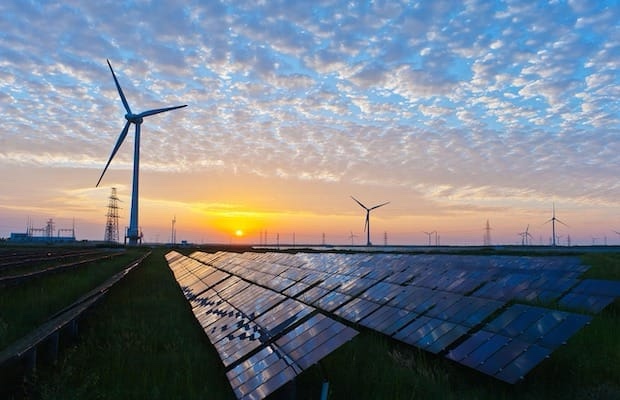
One of the key drivers of Spain’s energy transition has been the rapid growth of solar power. As of 2022, Spain had an installed solar PV capacity of 17.1 GW, making it the fourth-largest solar market in Europe. The country’s sunny climate and favorable regulatory environment have attracted significant investment in both utility-scale and rooftop solar projects.
Wind Power: Capturing the Breeze
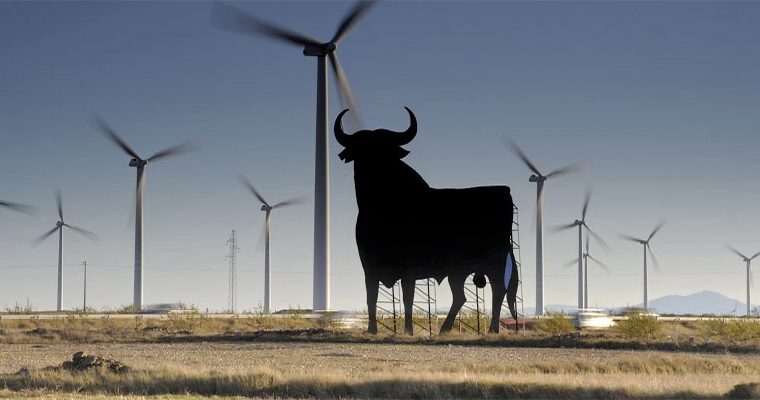
Wind power is another area where Spain has excelled, with an installed capacity of 28.1 GW as of 2022, the second-highest in the European Union. The country’s extensive coastlines and mountainous regions have provided ample opportunities for the development of both onshore and offshore wind farms.
Hydropower: Harnessing the Rivers
Hydropower has been a reliable source of renewable energy in Spain for decades, with an installed capacity of 17.1 GW as of 2022. The country’s abundant rivers and mountainous terrain have enabled the construction of a network of hydroelectric dams and power stations, which contribute significantly to the country’s overall energy mix.
Policy Drivers and Regulatory Frameworks
Spain’s energy transition has been underpinned by a robust policy and regulatory framework, with the government setting ambitious targets for renewable energy deployment and greenhouse gas emissions reductions.
The National Integrated Energy and Climate Plan (PNIEC)
In 2019, the Spanish government unveiled the National Integrated Energy and Climate Plan (PNIEC), which outlines the country’s energy and climate goals for the period 2021-2030. The PNIEC sets a target of 74% renewable energy in the electricity sector by 2030, as well as a 23% reduction in greenhouse gas emissions compared to 1990 levels.
Renewable Energy Auctions and Incentives
To support the deployment of renewable energy, the Spanish government has implemented a system of competitive auctions for renewable energy projects. These auctions have helped to drive down the cost of renewable energy and have attracted significant investment from both domestic and international companies.
In addition to the auction system, Spain also offers a range of financial incentives and support mechanisms for renewable energy projects, including tax credits, feed-in tariffs, and investment grants.
Challenges and Opportunities
While Spain’s energy transition has been largely successful, the country still faces a number of challenges and opportunities as it works to achieve its long-term sustainability goals.
Grid Integration and Flexibility
One of the key challenges is the integration of large amounts of renewable energy into the national grid. As the share of variable renewable sources like wind and solar increases, the need for grid flexibility and energy storage solutions becomes more pressing.
Energy Efficiency and Electrification
Another area of focus is improving energy efficiency and electrification across various sectors, including transportation, industry, and buildings. The Spanish government has set targets for improving energy efficiency and increasing the use of electric vehicles, but more work is needed to fully realize these goals.
Social and Economic Impacts
The energy transition also has significant social and economic implications for Spain. While the shift to renewable energy has created new jobs and economic opportunities, it has also led to concerns about the impact on traditional fossil fuel industries and the need for a just transition that protects the livelihoods of affected workers and communities.
Conclusion
Spain’s energy transition has been a remarkable success story, with the country emerging as a global leader in renewable energy development and deployment. The combination of ambitious policy targets, supportive regulatory frameworks, and significant private investment has enabled Spain to make substantial progress in transitioning away from fossil fuels and towards a more sustainable energy future.
However, the work is far from over, and the country faces a range of challenges and opportunities as it continues to navigate the energy transition. By addressing these challenges and capitalizing on the opportunities presented by the clean energy revolution, Spain is well-positioned to maintain its position as a global leader in the fight against climate change.