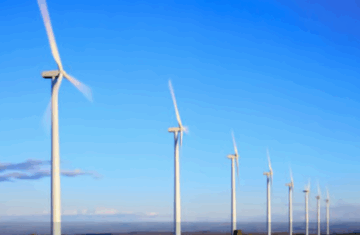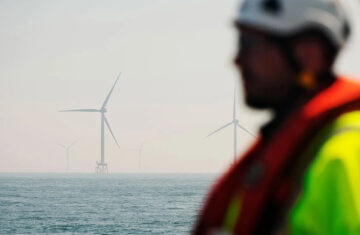
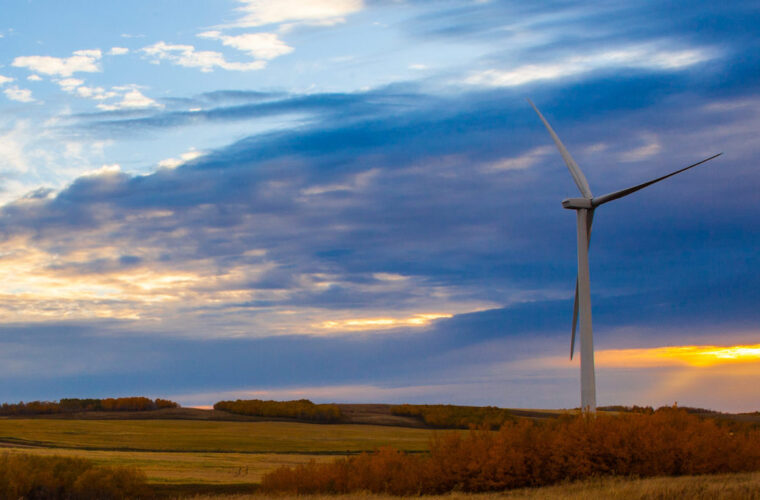
Borden County, Texas, the Bull Creek Wind project exemplifies the cutting-edge scale and economic pragmatism of modern wind development in the heart of the nation’s energy sector. As a major contributor to the Texas grid, it highlights the strategic shift where renewable energy competes directly on cost and reliability, transforming vast tracts of ranchland into a sophisticated power generation asset while anchoring the local economy.
Significance & Context
The Bull Creek Wind project, developed by EDF Renewables, is a substantial addition to the already massive wind portfolio of Texas. With a total installed capacity of 225 megawatts (MW), the facility generates enough electricity to power approximately 75,000 homes annually, based on calculations from the U.S. Energy Information Administration (EIA). This output directly supports the diversification of the Electric Reliability Council of Texas (ERCOT) grid, providing low-cost, carbon-free power, a dynamic analyzed by the University of Texas at Austin Energy Institute.
Development Timeline
The project’s development reflects rapid deployment capabilities. Following land acquisition and permitting, construction commenced in the late 2010s. The Bull Creek Wind project achieved commercial operation in 2020, a date confirmed by its listing in the U.S. Wind Turbine Database and developer announcements.
Technology & Innovation
The project utilizes tall, powerful turbines to maximize energy capture, featuring 57 Vestas V150-4.2 MW turbines. This technology is engineered for low-wind-speed sites, leveraging advanced engineering principles documented by the National Renewable Energy Laboratory (NREL). The project incorporates advanced digital monitoring systems to optimize performance.
Challenges & Controversies
A primary challenge was managing the interconnection process and ensuring grid stability within the ERCOT system. This hurdle was resolved through close coordination with ERCOT’s interconnection queue process, a transparent system detailed in ERCOT’s Generation Interconnection Reports. The developer likely financed specific network upgrades as a standard condition of interconnection, ensuring reliable delivery to the grid.
Community & Economic Impact
For Borden County, the wind farm delivers outsized economic benefits. During peak construction, the project typically employed over 250 workers, according to industry models from the American Clean Power Association. Its long-term impact is profound: it generates a transformative stream of property tax revenue for the county, directly funding essential services, as detailed in Borden County financial records. Additionally, it provides substantial, long-term lease payments to participating ranchers, a drought-resistant income source supported by Texas A&M AgriLife Extension.
Future Outlook
As a new, state-of-the-art facility, Bull Creek Wind is positioned for decades of reliable operation. The site could be a future candidate for hybridization with solar PV or battery storage, a strategy encouraged by ERCOT’s market evolution and researched by NREL on hybrid power plants. This would leverage its existing grid connection to create a more dispatchable resource, aligning with Texas’s growing energy storage needs as outlined in ERCOT’s Long-Term System Assessments.
At Wyoming County you can find also: High Sheldon Wind Farm