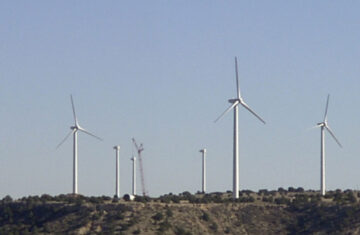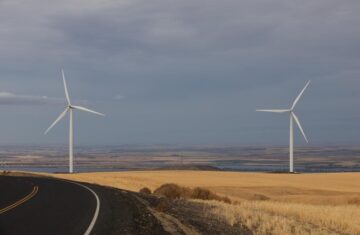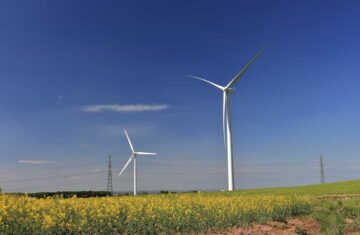
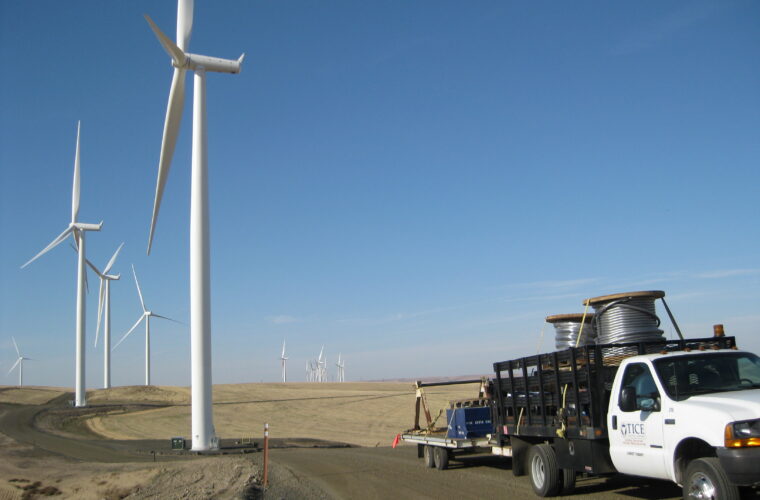
Forward Wind Energy Center represents a strategic investment in the state’s renewable energy independence and rural economic development. As one of the largest wind projects in Wisconsin, it plays a crucial role in diversifying the state’s energy mix away from imported fossil fuels, harnessing local resources to generate clean power, support the regional grid, and provide a model for large-scale agricultural co-location in the Upper Midwest.
Significance & Context
The Forward Wind Energy Center, developed by Invenergy, is a cornerstone of Wisconsin’s utility-scale renewable energy infrastructure. With a total installed capacity of 133.5 megawatts (MW), the facility generates enough electricity to power approximately 40,000 Wisconsin homes annually, based on calculations from the U.S. Energy Information Administration (EIA). This output directly contributes to state and utility renewable energy targets, supplying power to the Wisconsin Public Service (WPS) grid and the Midcontinent Independent System Operator (MISO), as tracked by the Wisconsin Public Service Commission.
Development Timeline
The project’s development reflects the growing maturity of the wind industry in the mid-2000s. Initial site assessment in Dodge County began in the early 2000s. Following permitting and community engagement, construction commenced in 2007. The Forward Wind Energy Center achieved commercial operation in 2008, a date confirmed by its listing in the U.S. Wind Turbine Database.
Technology & Innovation
For its commissioning period, the project deployed reliable turbine technology. The wind farm is composed of 89 GE Wind Energy 1.5 MW turbines. The project’s engineering prioritized efficient land use for agricultural co-location, an approach supported by research from the National Renewable Energy Laboratory (NREL) on land-use. Its interconnection required coordination with MISO, detailed in the organization’s public generation interconnection queue.
Challenges & Controversies
A significant challenge involved navigating local opposition and zoning regulations. Concerns focused on visual impact and property values. This hurdle was resolved through a prolonged county approval process, where the developer conducted public meetings and agreed to specific conditions. The project ultimately received permits from the Dodge County Board of Supervisors, with ordinances accessible through county resources, setting a precedent for wind development.
Community & Economic Impact
For Dodge County, the wind farm delivers significant economic benefits. During peak construction, the project typically employed over 200 workers, according to industry models from the American Clean Power Association. Operationally, it generates a reliable stream of property tax revenue, vital for county and township budgets, as detailed in Dodge County financial reports. Furthermore, it provides guaranteed annual lease payments to participating farmers, a benefit for agricultural economics documented by the University of Wisconsin-Madison Division of Extension.
Future Outlook
As a mature asset, the Forward Wind Energy Center is positioned for continued operation. It is a likely candidate for repowering, a strategy analyzed in NREL reports on wind plant modernization. Replacing its turbines with modern models would increase output and extend its life, aligning with Wisconsin’s clean energy goals under the Clean Energy Plan and MISO’s long-term planning, accessible through MISO’s MTEP reports. Its enduring presence underscores the successful integration of wind power into the state’s working landscapes.
At LaSalle County you can find also: Grand Ridge Wind Energy Center