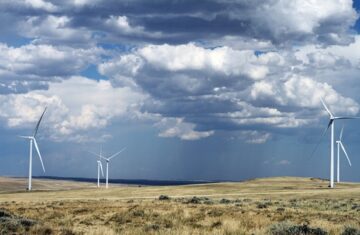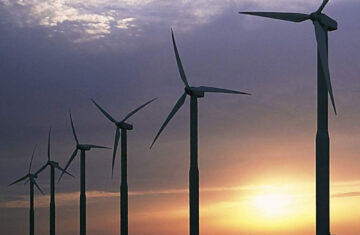
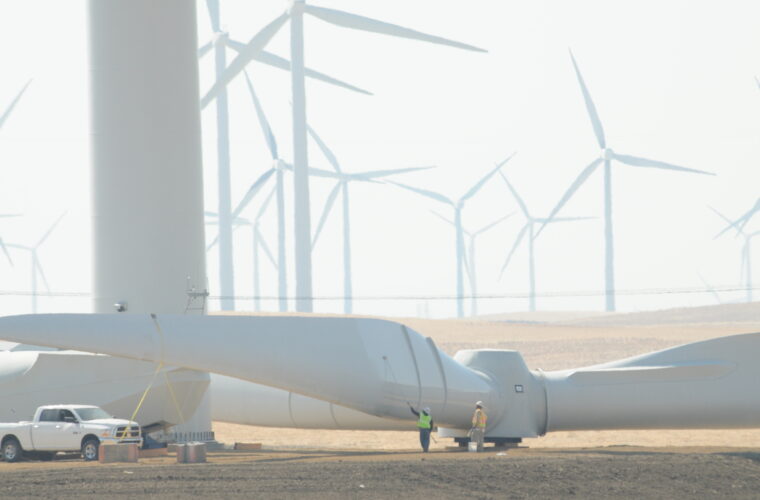
Shiloh Wind Project stands as a landmark in California’s long-term pursuit of renewable energy. Developed in multiple phases, this project represents a critical piece of the state’s ambitious portfolio standard, which mandates a shift to clean electricity. Situated in a region known for its consistent winds, Shiloh has helped pave the way for subsequent wind developments in California, demonstrating the viability of large-scale wind power generation to help meet the demands of millions of utility customers while reducing reliance on fossil fuels.
Significance & Context
The Shiloh Wind Project is a significant contributor to California’s renewable energy grid. With a combined capacity of 300 megawatts (MW) from its phases, the project provides enough electricity to power approximately 100,000 homes. This clean energy output directly supports the state’s climate goals by displacing generation from natural gas power plants, avoiding hundreds of thousands of tons of carbon dioxide emissions annually. Its location in the Sacramento-San Joaquin River Delta capitalizes on a unique wind corridor, making it a strategically important asset for the state’s energy mix.
Development Timeline
The development of the Shiloh Wind Project occurred in distinct phases, reflecting the evolving wind energy market in California. The initial phase began construction in the mid-2000s and was completed in 2008, a period of renewed focus on renewables in the state. A second phase, Shiloh II, was developed shortly after and came online in 2009. This phased approach allowed the developer, EDF Renewables, to build upon the success and infrastructure of the initial project, efficiently expanding the site’s total generating capacity to meet the growing demand from utilities for clean power.
Technology & Innovation
At the time of its commissioning, the Shiloh Wind Project utilized modern turbine technology suited to its specific environment. The project features Vestas V90 and V82 model turbines, with capacities of 1.8 MW and 3.0 MW respectively. These three-bladed, upwind turbines were selected for their reliability and efficiency in the medium wind speeds of the Delta region. The project’s design also had to carefully navigate the local environment, including considerations for agricultural land use and avian flight paths, incorporating then-state-of-the-art siting and mitigation strategies.
Challenges & Controversies
A significant challenge for the Shiloh Wind Project, as with many wind farms in California, was navigating the complex and stringent state and local permitting environment. The project underwent extensive environmental review, with particular scrutiny on its potential impact on local bird populations, including the protected Swainson’s Hawk. To gain approval and build community trust, the developer implemented a comprehensive avian and bat conservation plan, which included careful siting of turbines based on wildlife surveys and commitments to ongoing monitoring, a common practice highlighted by the U.S. Fish and Wildlife Service.
Community & Economic Impact
The Shiloh Wind Project has provided a substantial and steady economic benefit to Solano County. During construction, the project typically employed hundreds of workers, and now in operation, it typically employs a team of local technicians for maintenance and operations. The project likely contributes significant annual property tax revenue to the county, which helps fund vital public services like schools, libraries, and fire departments. Furthermore, the project provides supplemental income to local landowners through land lease payments, offering financial stability for farming families without removing the land from agricultural production.
Future Outlook
As one of the more modern large-scale wind projects in California, Shiloh has a long remaining operational life. However, its future is closely tied to the state’s evolving energy policies and grid needs. As older power plants retire, the reliable, zero-emission power from Shiloh will become increasingly valuable. Looking ahead, the site may eventually be a candidate for repowering—where existing turbines are replaced with newer, more powerful and efficient models—to further increase its output and efficiency, a process supported by studies from the National Renewable Energy Laboratory (NREL). This would ensure it continues to be a cornerstone of California’s clean energy economy for decades to come.
There is also at California: Pine Tree Wind Power Project