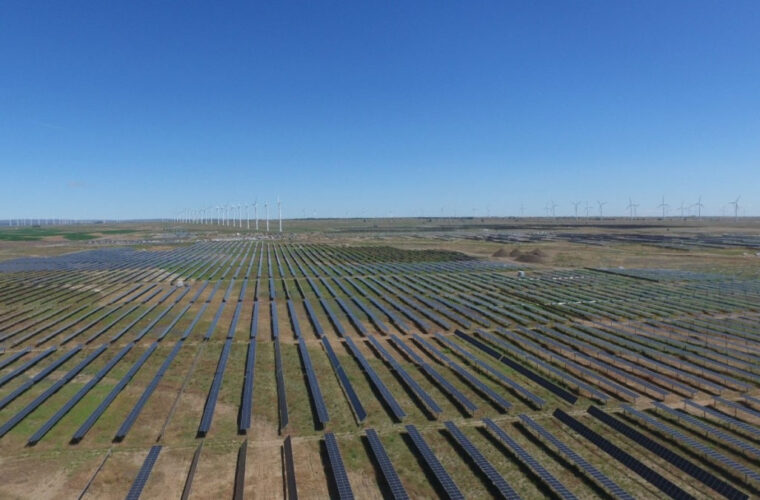
Georgia, the Washington County Solar project represents a significant milestone in the state’s strategic diversification of its energy portfolio. This utility-scale development underscores the growing economic viability of solar power in a region traditionally dominated by other energy sources. By converting underutilized land into a productive clean energy asset, the project delivers both environmental benefits and a new source of economic stability for a rural community, highlighting solar power’s expanding role in the Southeast’s energy mix.
Significance & Context
The Washington County Solar project is a meaningful contributor to Georgia’s power grid, interconnected with the system managed by Georgia Power under the Southeastern Electric Reliability Council (SERC). Its development aligns with the state’s market-based approach to energy diversification, providing a cost-competitive power source that supports both utility planning and corporate sustainability goals. The project helps meet the growing demand for renewable energy from commercial and industrial users, a trend documented by the Georgia Public Service Commission in its review of utility resource plans.
Development Timeline
Development for Washington County Solar began in the early 2020s, as solar economics continued to improve in the region. Key milestones included securing land leases from multiple local landowners, successfully navigating the county’s zoning and permitting process, and finalizing a power purchase agreement. Construction commenced in 2023, and the project was completed and reached commercial operation in 2025.
Technology & Innovation
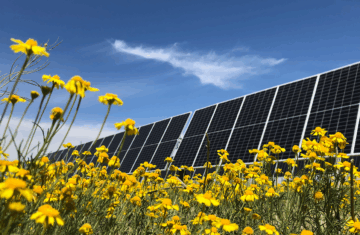
The Washington County Solar facility utilizes durable, high-efficiency solar panels mounted on single-axis tracking systems, optimizing energy capture throughout the day. The project incorporates advanced inverters with grid-support functionality, enabling it to provide voltage regulation and enhance the reliability of the local distribution network. The site design also emphasizes environmental compatibility, featuring stormwater management systems that protect local watersheds and the use of low-growing, native vegetation to support pollinators.
Challenges & Controversies
A primary challenge for the Washington County Solar project was addressing initial local concerns about land use and visual impact. In a community with deep agricultural roots, some residents questioned the long-term implications of converting land to solar generation. The developers addressed these concerns through a proactive and transparent community engagement strategy, which included public information sessions, detailed site plans showcasing vegetative buffers, and legally binding decommissioning agreements that guaranteed site restoration. This approach helped build trust and secure the necessary community and regulatory support.
Community & Economic Impact
For Washington County, the project delivers tangible and long-term economic benefits. During the construction phase, Washington County Solar typically employed over 150 workers, providing a significant, though temporary, boost to local businesses. The permanent operations and maintenance team creates several skilled, long-term positions. The project likely contributes a substantial increase in property tax revenue over its operational lifetime, providing crucial funding for local schools, emergency services, and infrastructure—a fiscal impact highlighted by the Georgia Department of Community Affairs. Participating landowners gain a stable and predictable source of lease income.
Future Outlook
The successful commissioning of Washington County Solar reinforces the viability of utility-scale solar in Georgia and provides a replicable model for neighboring communities. Its operational data will contribute to a better understanding of solar performance in the region’s specific climate. The project’s infrastructure is well-suited for the potential future addition of battery energy storage, which would enhance its value by allowing it to supply power during peak evening demand. Washington County Solar stands as a testament to the balanced integration of clean energy into Georgia’s rural economy.