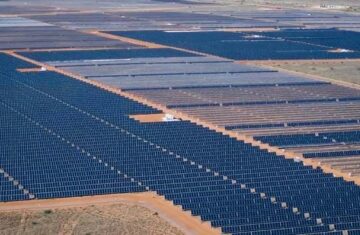
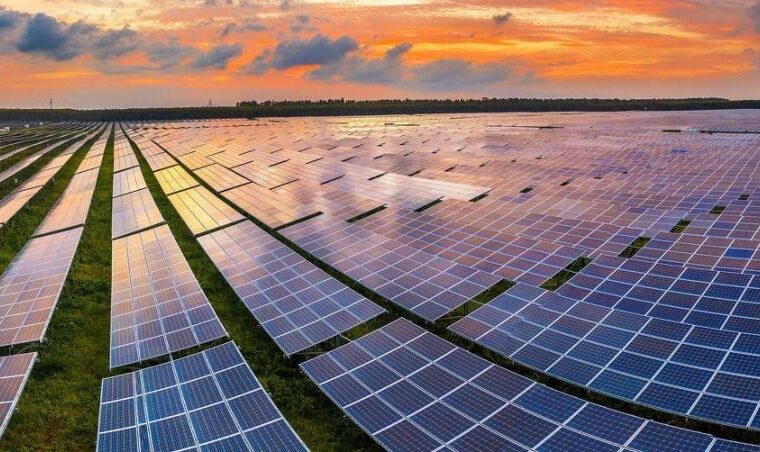
Northeast Texas, the Samson Solar Energy project represents a monumental achievement in renewable energy development, establishing itself as one of the largest solar facilities in the United States while demonstrating how utility-scale solar can transform rural economies. This project exemplifies Texas’ leadership in renewable energy innovation and its capacity to execute projects of unprecedented scale.
Significance & Context
Developed by Invenergy, the 1,310-megawatt (MW) Samson Solar Energy facility stands as the largest solar project in the United States upon completion, representing a transformative scale in renewable energy development. According to data from the U.S. Energy Information Administration (EIA), the facility produces enough electricity to power approximately 300,000 homes, significantly impacting the Electric Reliability Council of Texas (ERCOT) market. Spanning three counties—Lamar, Red River, and Franklin—the project’s massive scale demonstrates Texas’ capacity to lead the nation’s transition to utility-scale renewable energy while creating substantial economic benefits across multiple rural communities.
Development Timeline
The project’s development involved unprecedented coordination across multiple jurisdictions and stakeholders. Development activities began in 2018, with the project receiving necessary county approvals between 2019 and 2020. Construction occurred in five phases from 2021 through 2023, with full commercial operation achieved by 2024, as documented in ERCOT Generation Interconnection Queue reports. This phased approach allowed for optimized resource allocation and continuous community engagement while managing the complexities of multi-county development.
Technology & Innovation
Samson Solar Energy utilizes single-axis tracking systems with advanced bifacial photovoltaic modules across its massive footprint. According to performance data from the National Renewable Energy Laboratory (NREL), this configuration increases energy yield by 12-18% compared to conventional systems. The project incorporates a sophisticated distributed inverter system and specialized substation infrastructure designed to manage the unprecedented power output. Advanced wildlife protection measures, including wildlife-friendly fencing and habitat conservation areas, set new standards for large-scale solar environmental stewardship.
Challenges & Controversies
The project faced monumental challenges related to its unprecedented scale and multi-county coordination. Local residents expressed concerns about visual impacts, land use changes, and the project’s effect on rural character across three counties. The resolution involved implementing a comprehensive Multi-County Community Benefits Program that included enhanced setback requirements, visual screening with native vegetation, and the creation of a regional economic development fund. The project also established a Agricultural Protection Plan that maintained grazing operations and implemented soil conservation measures across the extensive project area.
Community & Economic Impact
For the three host counties, the project has delivered transformative economic benefits on an unprecedented scale. During peak construction, the project typically employed over 600 workers, with significant local hiring from across the region. For ongoing operations, it maintains 25-30 permanent positions across the three counties. Based on Texas tax assessment models, the project likely contributes approximately $5-7 million annually in combined property tax revenue to local governments and school districts. Additionally, it provides stable lease payments to hundreds of local landowners, creating a reliable income source that complements agricultural revenues and provides economic stability across the region.
Future Outlook
With an expected operational lifespan of 30+ years, the Samson Solar Energy project represents a long-term economic foundation for Northeast Texas. The project’s success at this unprecedented scale provides a blueprint for future mega-scale renewable developments nationwide. As technology advances, the site may incorporate storage capabilities or be repowered with more efficient panels, potentially increasing its output even further. The project’s multi-county approach and community benefits model establish new benchmarks for how large-scale renewable energy can support regional economic development while maintaining Texas’ leadership in energy innovation, positioning Northeast Texas as a cornerstone of America’s clean energy future.
Discover also at Texas: Wagyu solar farm