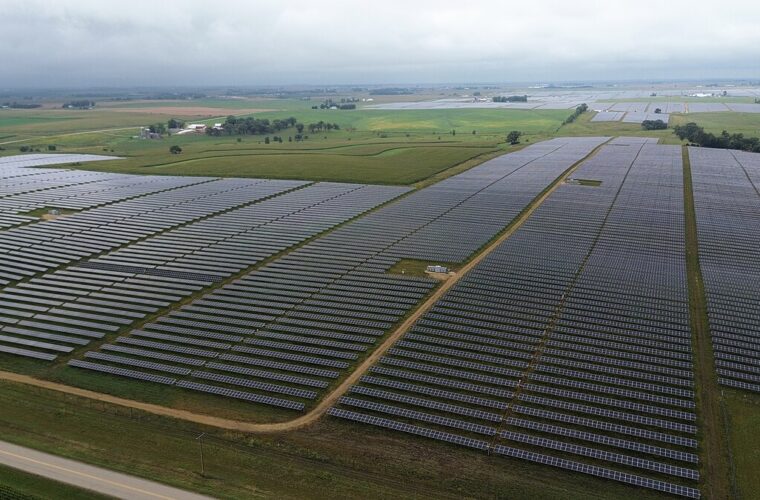
Badger Hollow I Solar Farm represents a landmark achievement in the state’s renewable energy transition, establishing itself as one of Wisconsin’s largest solar facilities while demonstrating how utility-scale solar can coexist with agricultural communities. This project exemplifies the Midwest’s growing commitment to clean energy while supporting rural economic development through strategic land use.
Significance & Context
Developed by Invenergy and jointly owned by Madison Gas and Electric and WEC Energy Group, the 150-megawatt (MW) Badger Hollow I Solar Farm stands as a cornerstone of Wisconsin’s clean energy infrastructure. According to data from the U.S. Energy Information Administration (EIA), the facility produces enough electricity to power approximately 33,000 homes, significantly contributing to Wisconsin’s renewable energy goals. Its location in Iowa County positions it to serve multiple utility customers while demonstrating how agricultural regions can participate in the state’s energy transition.
Development Timeline
The project’s development followed Wisconsin’s comprehensive energy siting process with significant attention to agricultural preservation. Development activities began in 2018, with the project receiving approval from the Public Service Commission of Wisconsin in 2020 after extensive environmental review and public hearings. Construction commenced in 2021, achieving commercial operation in 2023, as documented in Midcontinent Independent System Operator (MISO) records. This timeline included substantial community engagement to address agricultural compatibility concerns and ensure the project aligned with local values.
Technology & Innovation
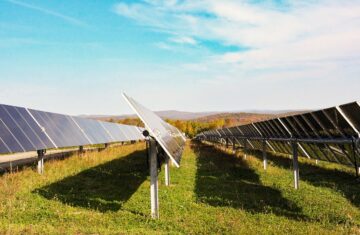
Badger Hollow I utilizes single-axis tracking systems with monocrystalline silicon photovoltaic modules, optimized for Wisconsin’s latitude and climate conditions. According to performance data from the National Renewable Energy Laboratory (NREL), the tracking technology increases energy production by approximately 25% compared to fixed-tilt systems, particularly valuable in Wisconsin’s variable weather conditions. The project incorporates cold-weather optimized inverters and specialized snow management systems that maintain performance during winter months. Advanced stormwater management systems protect local watersheds while supporting agricultural drainage patterns.
Challenges & Controversies
The project faced significant challenges related to agricultural land preservation and concerns about impacts on local farming operations. The Wisconsin Farm Bureau Federation and local agricultural groups raised concerns about prime farmland conversion and compatibility with surrounding agricultural activities. The resolution involved implementing a comprehensive Agricultural Impact Mitigation Plan developed with the Wisconsin Department of Agriculture, Trade and Consumer Protection, which included using primarily marginal agricultural lands, maintaining agricultural drainage patterns, and implementing a decommissioning plan that ensures land can return to agricultural use. The project also addressed visual impact concerns through extensive landscaping and setback requirements.
Community & Economic Impact
For Iowa County and surrounding communities, the project has delivered substantial economic benefits while addressing agricultural preservation. During construction, the project typically employed 200-300 workers, with strong local hiring preferences for Wisconsin residents. For ongoing operations, it maintains 8-10 permanent positions. Based on Iowa County’s tax assessment models for utility-scale solar, the project likely contributes approximately $700,000-$900,000 annually in property tax revenue to local governments and school districts. Additionally, it provides stable lease payments to local landowners, creating a reliable income source that complements farming operations and provides financial stability amid agricultural market fluctuations.
Future Outlook
With an expected operational lifespan of 30+ years, the Badger Hollow I Solar Farm represents a long-term investment in Wisconsin’s clean energy future. The project’s success in balancing solar development with agricultural considerations provides a model for future renewable projects in rural Wisconsin. As technology advances, the site may incorporate dual-use agrivoltaic systems that allow continued agricultural production beneath panels. The project’s community engagement approach and economic benefits package have established important precedents for solar development in the state, demonstrating that Wisconsin’s clean energy goals can be achieved while respecting and supporting the state’s farming heritage and rural communities through thoughtful planning and innovation.
Find also at Wisconsin: Two Creeks Solar farm