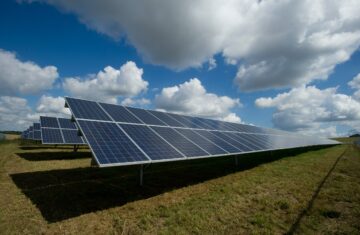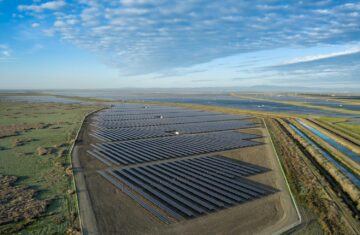
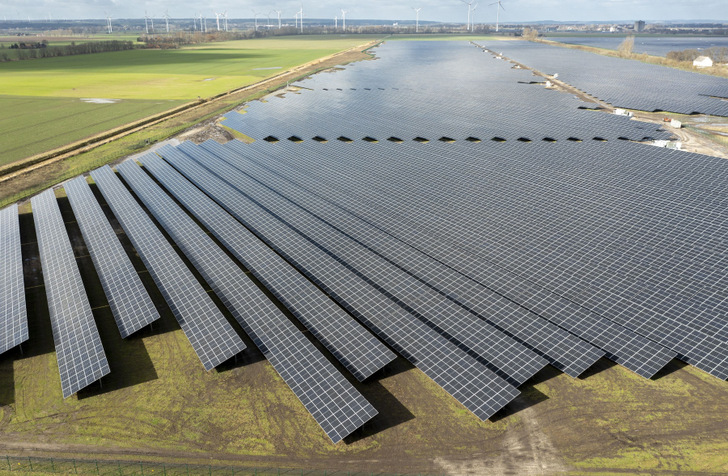
Searcy Solar Hybrid project represents a innovative approach to renewable energy development that combines solar generation with battery storage to provide reliable clean power while supporting rural economic development. This project exemplifies how hybrid energy systems can enhance grid reliability while creating new opportunities in agricultural communities.
Significance & Context
Developed by Lightsource bp, the 150-megawatt (MW) Searcy Solar Hybrid facility combines solar photovoltaic capacity with 50 MW/100 MWh of battery energy storage, making it one of Arkansas’s most advanced renewable energy projects. According to data from the Arkansas Public Service Commission, the facility generates enough electricity to power approximately 30,000 homes while providing crucial grid stability services. Its location in White County positions it to support Entergy Arkansas‘s renewable energy goals while demonstrating the value of integrated solar-storage systems in the Mid-South region.
Development Timeline
The project’s development navigated both solar and storage integration complexities within Arkansas’s evolving renewable energy framework. Development activities began in 2020, with the project receiving necessary approvals from the Arkansas Public Service Commission in 2022. Construction commenced in 2023, achieving commercial operation in 2025, as documented in [MISO] interconnection records. This timeline included additional engineering phases to optimize the coordination between solar generation and battery storage systems, reflecting the innovative nature of hybrid facility development in Arkansas.
Technology & Innovation
The Searcy Solar Hybrid utilizes single-axis tracking systems with monocrystalline silicon photovoltaic modules, while its core innovation lies in the integrated battery energy storage system using advanced lithium-ion technology. According to technical reports from the National Renewable Energy Laboratory (NREL), this configuration allows the facility to store excess solar generation for dispatch during peak demand periods. The project features advanced inverters with grid-forming capabilities that provide essential reliability services including voltage support and frequency regulation—particularly valuable for maintaining grid stability in rural areas with limited generation resources.
Challenges & Controversies
The project faced challenges related to technology integration and community concerns about land use in agricultural areas. Local farmers and the [White County Farm Bureau] raised questions about impacts on agricultural operations and land preservation. The resolution involved implementing a comprehensive Agricultural Compatibility Plan developed with the University of Arkansas System Division of Agriculture that included maintaining agricultural operations on portions of the site, using reversible mounting systems, and implementing conservation measures to protect soil health. The project also addressed safety concerns about battery storage through advanced containment systems and community education programs.
Community & Economic Impact
For White County, the hybrid project has delivered enhanced economic benefits compared to solar-only development. During construction, the project typically employed 200-250 workers, with additional specialized positions for battery system installation. For ongoing operations, it maintains 8-10 permanent positions, including technicians with specialized storage expertise. Based on White County’s tax assessment models, the project likely contributes approximately $600,000-$800,000 annually in property tax revenue to local governments and school districts. Additionally, it provides stable lease payments to local landowners, creating a reliable income source that complements agricultural revenues.
Future Outlook
With an expected operational lifespan of 30+ years for solar and 15-20 years for storage (with potential technology refresh), the Searcy Solar Hybrid represents a long-term strategic asset for Arkansas’s grid. The project’s success in integrating storage with solar generation provides a model for future hybrid developments in the region. As Arkansas’s energy needs continue to grow, the project’s ability to provide dispatchable clean power will become increasingly valuable. The project’s operational experience will inform technical standards and best practices for renewable hybrid facilities in the Mid-South, demonstrating how integrated solar-storage systems can provide reliable clean power while creating economic benefits for rural communities and supporting Arkansas’s energy diversification goals.
Check list to learn more about: Top 10 Solar Farms in USA