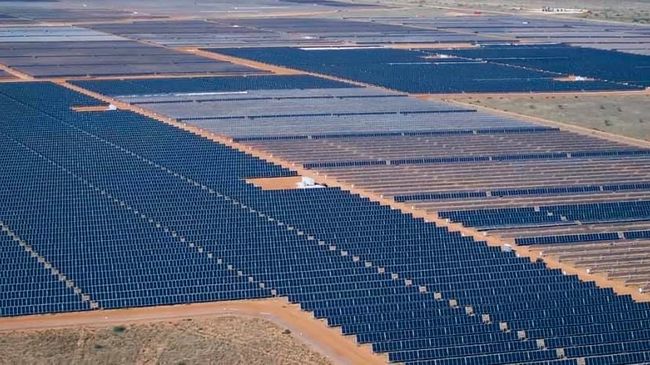
Emerging as a major force in the Texas energy landscape, the Lapetus Solar Farm represents one of the largest solar developments in the United States, signaling a monumental shift toward utility-scale renewable energy in the nation’s leading energy state. This massive project underscores Texas’s dual role as an oil and gas powerhouse and a rapidly growing clean energy leader, demonstrating the economic viability of solar power at an unprecedented scale.
Significance & Context
The Lapetus Solar Farm is a monumental 360-megawatt (AC) facility developed by Recurrent Energy on private land in Texas. According to data from the Electric Reliability Council of Texas (ERCOT), the project ranks among the largest solar installations in the state’s grid system. The facility’s output is sold through multiple power purchase agreements to corporate and utility off-takers, supporting sustainability goals while providing reliable power to the ERCOT market. The Lapetus Solar Farm generates enough electricity to power approximately 65,000 homes and displaces an estimated 500,000 metric tons of carbon dioxide emissions annually, making a substantial contribution to Texas’ clean energy transition.
Development Timeline
The project’s development began with land acquisition and preliminary studies in 2018. A significant milestone was reached when the project secured interconnection approval from ERCOT, a process documented in the public ERCOT Generation Interconnection Queue. The development team successfully navigated local permitting with the relevant county authorities and state-level regulations overseen by the Texas Commission on Environmental Quality (TCEQ). Construction commenced in 2021, and despite global supply chain challenges, the project achieved commercial operation in phases throughout 2023-2024.
Technology & Innovation
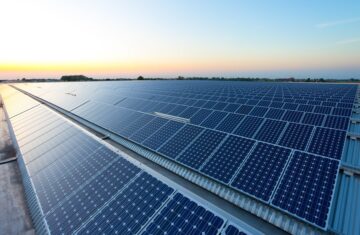
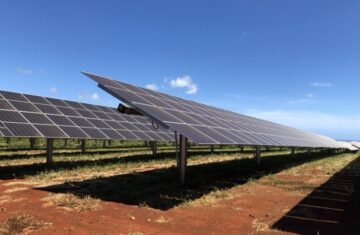
The Lapetus Solar Farm utilizes cutting-edge solar technology designed for maximum efficiency in the Texas climate. The facility features single-axis tracking systems with bifacial solar panels that capture direct and reflected light, increasing energy yield by approximately 15-20% compared to conventional systems. According to technical specifications from the National Renewable Energy Laboratory (NREL), this configuration represents current best practices for utility-scale solar deployment. The project incorporates advanced inverters with grid-forming capabilities that provide essential voltage support and frequency regulation services to the ERCOT grid.
Challenges & Controversies
A significant challenge for the Lapetus Solar farm project involved navigating the increasingly congested interconnection process within the ERCOT system. Like many large-scale renewable projects in Texas, it faced potential delays and cost increases associated with necessary grid upgrades. This challenge was resolved through close collaboration with ERCOT and the local transmission utility to identify the most efficient interconnection solution. Additionally, the project implemented comprehensive environmental mitigation measures, including a waterless cleaning system for solar panels to conserve water resources in the semi-arid region, addressing sustainability concerns raised during the permitting process.
Community & Economic Impact
The Lapetus Solar Farm provides substantial economic benefits to its host community. During peak construction, the project typically employed over 500 workers, according to workforce estimates from the Solar Energy Industries Association (SEIA). For long-term operations, it supports a permanent team of technicians for maintenance and monitoring. The project provides stable, long-term lease payments to multiple local landowners, creating a drought-resistant revenue stream. Based on the Texas Comptroller’s guidelines on property tax abatements for renewable energy, the project likely contributes millions of dollars in tax revenue over its operational life, benefiting local schools, emergency services, and infrastructure.
Future Outlook
With an operational lifespan exceeding 30 years, the Lapetus Solar Farm represents a long-term commitment to Texas’s energy future. The project’s massive scale demonstrates the economic viability of utility-scale solar in competitive energy markets. The site’s infrastructure is designed to potentially accommodate future battery energy storage systems (BESS), which would allow solar energy to be stored and dispatched during evening peak hours. As Texas continues to lead the nation in renewable energy development, the Iapetus Solar Farm serves as a benchmark for the scale and sophistication required to meet growing energy demand while reducing carbon emissions. The project’s success paves the way for even larger solar developments in the evolving Texas energy landscape.
Find also at Texas: Coniglio Solar farm